27 October 2025

How healthy is your fan community?

Fandom gives kids a space to discover who they are, what they care about, and how it feels to belong. That’s why they can influence a kid’s identity and friendships.

Of course, fandoms can also fuel growth for kids’ brands, especially when they inspire a deep emotional connection. This can spark the word of mouth awareness brands dream of and retain fans for years and years. 

That makes the health of your fan community both a business opportunity and a responsibility. When kids welcome your brand into their hearts, the quality of the space you offer them matters.

The alternative is a toxic fan community that pushes kids away. That can mean lost revenue and reputational damage that’s hard to undo. The harm to kids’ well-being can last even longer.

Use our exclusive fandom framework to give your fan community a health check. You’ll learn what to nurture and what to repair to build a fandom that’s good for kids and good for business.

Jump to:
A blue and white paper with the word pdf on it.
Free PDF guide!

Give your fan community a health check
Spot the red and green flags within your fandom

Download

Fandom framework  

There are some key factors in how fan communities take shape and stay buzzing. We’ve grouped them in four areas that cover most of the emotional, social, and structural experiences that make a fandom feel great (and not so great).

  • Identity and belonging
  • Access and participation
  • Attachments and boundaries
  • Social dynamics 

In the next section, we’ll break down each one. You’ll see how healthy expressions of fandom show up, where things can go wrong, and what to do about it. Look for patterns you can nurture and signs that it’s time to step in and repair.

Identity and belonging

Fandom helps kids and teens define who they are and where they fit in (or not). A healthy fandom gives them space to try on different identities, express themselves, and feel seen. A toxic fandom makes identity conditional, polices who belongs, or encourages self-worth to hinge entirely on group approval.

What to nurture
Identity and belonging
Inclusive celebration

Healthy fandoms embrace difference. They spotlight fans from a wide range of backgrounds, experience levels, and identities without treating any one as the “default.” Belonging is rooted in shared joy, not personal characteristics. 

Emotional safety

Fans are encouraged to be real in healthy communities because it’s safe. Clear norms invite members to express joy and enthusiasm as well as vulnerability and low confidence without fear of ridicule. And because all emotions are valued, even where they aren’t shared by all, fans are open and honest.

Identity exploration without pressure

Healthy fandoms give kids space to try on new ways of being. Fans can express themselves creatively through avatars, nicknames, cosplay, fan art, or hot takes. And all without fear of ridicule or pressure to define themselves definitively. Fandom becomes a safe zone for identity play and self-discovery.

Example: Toca Boca’s multi-player Toca Boca Days was designed to make everyone feel "free to be me.” It featured accessories and objects that invited self-expression like different clothing and hair style, a range of ages, a wide choice of skin colors. Player avatars could reflect special needs and differences, too; for example, kids could make their avatar a wheelchair user. This approach fosters a distinctly open, accepting culture within the fandom. As did the brand’s willingness to genuinely listen to fans and spot trends. By staying up-to-date, they give kids the tools they want to express themselves.

What to repair
Identity and belonging
Overidentification with the fandom

When fans tie their personal identity too tightly to a fandom, any perceived criticism or change feels like a personal attack. This can lead to extreme emotional reactions—defensiveness, outrage, gatekeeping—and makes the space unsafe for different perspectives.

Belonging through rejection

In some toxic fandoms, group identity is built by excluding others. Fans bond by mocking outsiders, attacking dissenters, or rallying around shared outrage. Loyalty becomes about who you’re against, not what you love.

Escalating mob behavior

When shared negativity becomes the glue, it can spiral into harassment, especially when directed at public figures and members of marginalized groups. What starts as solidarity can quickly turn into bullying.

Example: After appearing in Star Wars: The Last Jedi, actress Kelly Marie Tran was harassed by fans who felt her character violated their nostalgic expectations, revealing how deeply some fans had fused the franchise with their own sense of self.

Access and participation

How fans engage with the community and whether they feel empowered to contribute on their own terms is an important health indicator. Healthy fandoms offer clear ways to get involved, celebrate a variety of fan expressions, and respect each person’s pace and comfort level. Toxic fandoms restrict, coerce, and demand.

What to nurture
Access and participation
Recognition without performance pressure

Healthy fandoms celebrate fans for who they are, not just how loudly or often they show up. Thoughtful acknowledgements, inclusive events, and shared storytelling help fans feel seen. Meaningful participation doesn’t require constant effort or perfection.

Progress over gatekeeping

Fandom becomes a learning journey, not a contest. Fans of all skill levels are welcomed and supported. Communities reward curiosity, creativity, and effort. And they steer clear of rigid hierarchies or “true fan” tests.

Balanced, sustainable participation

Healthy fandoms don’t expect fans to be “always on.” They respect downtime, emotional bandwidth, and real life. Community norms actively encourage rest, boundaries, and care for mental health.

Example: YouTube series like "F1 TV Tech Talk" and "F1 Kids" aim to invite younger and casual fans into the world of F1. The videos use simple terms to talk about the sport and pace race recaps so existing fans are engaged and newcomers can find their way in. You also don't have to watch live, allowing kids to catch up at a time and pace that suits them.

What to repair
Access and participation
Pressure over joy 

When fans feel like they have to post, comment, or show up constantly to count as “real” fans, participation turns into stress. These high-intensity spaces often alienate more casual or time-limited members, especially younger fans or those with limited access.

Gatekeeping and knowledge hoarding 

Fans get ranked by who knows the most, who arrived first, or who behaves “the right way.” That discourages new voices, fuels conflict, and creates competition instead of connection.

Sameness over expression  

When a fandom over-values agreement—shared takes, styles, or formats—it turns inward. Fans feel pressure to conform rather than create. The community grows narrower, and “belonging” starts to mean fitting a mold.

Example: Fortnite is infamous for the toxicity of its player community. Not only do “the best players” always win, they are ultra-competitive and dismissive of others. There are also high-profile streamers who’ve achieved the fame and fortune idolized by some kids, setting a standard for how kids think the game is played. The underlying competitiveness of the culture breeds an unwillingness to share tactics and insights that could nurture less experienced players. Instead, newcomers are sometimes exposed to genuine cruelty. Game events also promote a trabalism between those who “were there” and those who weren’t.

Attachments and boundaries

Fans form emotional bonds with content, celebrities, characters, and each other because for many, fandom is a space to process feelings and events. Healthy fandoms foster emotional connections without encouraging the obsession, overexposure, and blurred boundaries found in toxic communities.

What to nurture
Attachments and boundaries
Life beyond fandom

It’s tempting to aspire to a community of obsessed fans, but brands should endeavour to nurture healthy attachment. Kids shouldn’t feel fandom defines them. In a healthy community, there are signs of life beyond the fandom like imagery, forums, and chat exchanges about school subjects, sports, and other interests and activities. 

Clear boundaries between fiction and reality

Healthy communities maintain a respectful affection for celebrities and characters without tipping into obsessive idealization. So, they never lose sight of the fact that famous people are human beings. Equally, that made-up characters don’t actually exist. 

Baseline trust that emboldens fans

In a healthy fandom, community members accept and support the many ways fans choose to show up. This baseline trust means fans openly express emotions, share their experiences, pitch ideas, post art work, etc. And they do it because they know this community has their back.

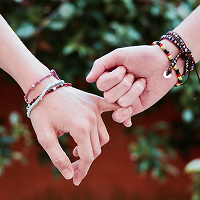
Example: Taylor Swift has inspired a global community of fans called Swifties. They relate to the joy, rage, love, and myriad other emotions in her songs. Because other fans feel the same way, the music builds a connection grounded in real life. This has given rise to rituals, coded language, and objects like friendship bracelets that keep the fandom anchored to others and tangible.

What to repair
Attachments and boundaries
Blurred lines between fiction and reality

It can be damaging when emotional investment in characters or celebrities replaces real-world connections. The illusion of intimacy, especially through parasocial bonds, makes it harder to build grounded relationships in real life. This risk grows when fandom becomes a primary outlet for stress, loneliness, or identity formation. 

Unhealthy attachments to AI

AI-driven influencers or characters can deepen this blur by always responding in emotionally validating ways. That can create unrealistic expectations about control, availability, or perfection in relationships. Kids still learning to navigate emotions are especially vulnerable to these unhealthy attachments. 

Emotional overexposure and burnout

Some fandoms expect constant emotional output through posts, reactions, discussion threads, and even debate. For fans already feeling unseen or overwhelmed, the pressure to stay emotionally present can become all-consuming. Signs of burnout, withdrawal, and trouble self-regulating are common when passion tips into exhaustion.

Possessiveness and control

When attachment turns into ownership, fans may lash out. They might demand creative decisions go their way, reject updates they don’t like, or attack other fans for seeing things differently. Love becomes control and community turns combative.

Example: Obsessive fan behaviors can limit a kid’s ability to establish and maintain social connections. This study of fandoms, including Furries and Star Wars, outlines the costs of obsessiveness. Specifically the damage to relationships within and outside of a fandom caused by fans who are unable to talk about anything else. Similarly, the alienating effect of fans so blinded by their obsession, they “evangelize” or push opinions on others.

Social dynamics

How fans relate to each other is the clearest vital sign in a fandom health check. Healthy fandoms create spaces where mutual respect matters more than clout. And where safety and joy are seen as collective responsibilities. But when power flows unevenly, norms aren’t respected, and trust breaks down, toxicity has room to grow. 

What to nurture
Social dynamics
Collaboration over clout

Healthy fandoms reward generosity, not just visibility. Fans lift each other up, share tips and ideas, and celebrate one another’s wins. Even in competitive fandoms like sports or gaming, the rivalry stays playful, not personal.

Shared norms, not just rules

Strong communities don’t just post rules, they live them. Healthy fandoms co-create clear expectations around kindness, inclusion, and respectful disagreement. Moderation is active and caring, not punitive. And when brands take responsibility for the culture they host, fans feel protected—not policed.

Distributed leadership

Healthy fandoms don’t rely on a single dominant voice. Influence is shared across a range of creators, curators, and everyday fans. That decentralization makes the community more resilient and diverse, and less prone to echo chambers or power grabs.

Space to fail

In healthy fandoms, fans can admit mistakes, learn from one another, and stay open to different perspectives, especially across cultural, generational, or identity lines. Kindness becomes a practice, not just a vibe.

Example: In League of Legends, a design feature prompts team members to discuss strengths and weaknesses. This enables healthy communication while deciding who does what. This alignment not only fosters better teamwork, but it also means failure is shared.

What to repair
Social dynamics
Superiority and gatekeeping

Toxic fandoms often divide fans into “real” and “casual.” Those who don’t engage at high intensity or express themselves the “right” way are mocked or excluded. Joy is replaced by judgment, and fewer people feel safe jumping in.

Entitlement masked as authenticity

When fans feel overly “at home,” they may act like the rules don’t apply to them. Rudeness is reframed as honesty. Harassment gets waved off as “just being real.” Over time, this erodes safety and drives out anyone unwilling to tolerate abuse.

Groupthink and pile-ons

When a single opinion dominates, dissent becomes risky. Fans who express a different view get ridiculed or called-out en masse. Instead of open exploration, fans start policing each other.

Performative outrage over meaningful dialogue 

When being “right” matters more than being respectful, accountability turns into spectacle. Fans chase clout by escalating drama, not resolving conflict.

Example: Band t-shirts can trigger instant judgment where gatekeeping is an issue in a fan community. People (and often women and girls) are mocked or challenged in belittling ways. For example, they might hear the jeer “name three songs” as a way to trip them up, proving they don’t belong.

No items found.

Double down on what’s working (and stop what’s not)

Toxicity isn’t always loud at first. It can start with good intentions. But then passion tips into pressure, community pride turns into gatekeeping, excitement drowns out rest. With the right mindset and tools you can catch it early.

That’s why culture needs to be a conscious part of your design process. Healthy fandoms don’t just happen. They’re nurtured, protected, and shaped with care.

And the payoff is real. When kids feel safe, seen, and free to participate on their own terms, they don’t just stick around, they bring others in. 

Use our fandom framework to spark honest conversations in your team. At its core, is a single question: What kind of fan experience are we fostering and for whom? A lot of good will come from returning to this question between indepth health checks.

We hope you’ve enjoyed this article!

Any thoughts or questions on your mind?
Get in touch

Keep reading

Kids love AI—here’s what your brand needs to know
Practical guides
Research & Trends
There’s a risk to AI you might be missing
Research & Trends
Practical guides
12 ways to earn trust in your AI—with examples
Practical guides
Research & Trends